
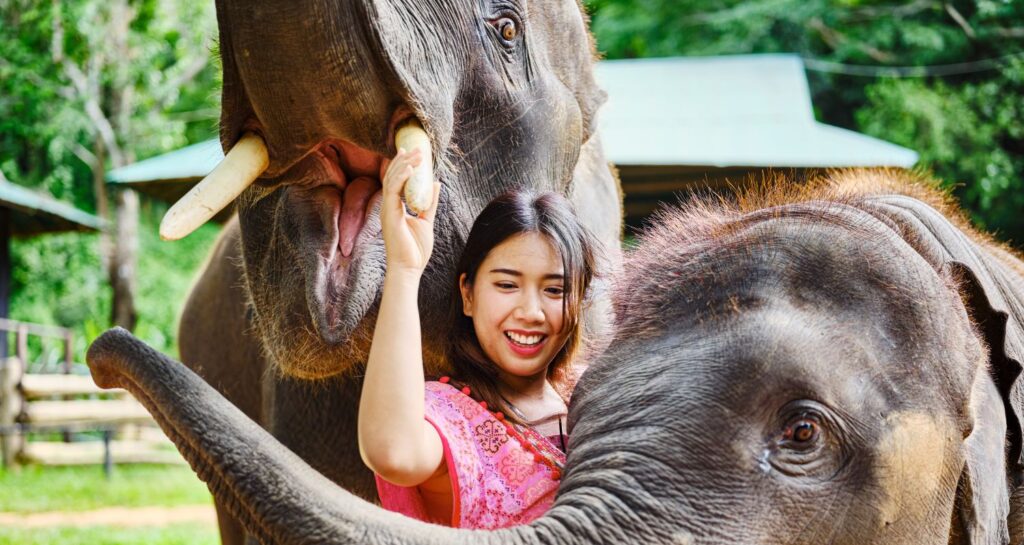
We’ve long been drawn to Koh Samui for its beaches and laid-back vibe, but increasingly travelers ask us about ethical wildlife experiences, especially elephant tours. An elephant tour in Koh Samui can be a memorable highlight when done right: it’s an opportunity to connect with one of Thailand’s most iconic animals while supporting local communities. In this guide we’ll walk you through why to choose an elephant tour in Koh Samui, the types of experiences available, how to spot responsible operators, practical planning tips, alternatives to riding, and how your visit can genuinely help conservation and local livelihoods.
Why Choose An Elephant Tour In Koh Samui?
Koh Samui is more than coconut palms and sunsets, it’s a gateway to authentic wildlife encounters if we choose thoughtfully. An elephant tour in Koh Samui offers several benefits when we pick operators with welfare-first practices:
- Close-up learning: Elephants have complex social lives and behaviors. Responsible experiences emphasize observation, interpretation, and education rather than performance.
- Support for local communities: Ethical operations often employ local mahouts (handlers) and invest a portion of proceeds into animal care, veterinary services, or community projects.
- Memorable, low-impact experiences: When structured correctly, tours allow us to interact with elephants via feeding, walking beside them, or helping with enrichment activities, experiences that are meaningful and low-stress for the animals.
We recommend treating the opportunity as both a cultural and conservation-minded activity. That changes the tone from “tourist attraction” to “thoughtful encounter.” And when we search for “elephant tour Koh Samui,” our goal should be experiences that prioritize welfare over spectacle.
Types Of Elephant Tours Available
Elephant venues in and around Koh Samui vary widely. Here’s a breakdown of common formats we encounter, and what each typically involves.
What To Expect On An Elephant Tour
- Feeding and bathing: Most reputable programs let visitors feed elephants by hand (with approved food) and observe or join in bathing sessions in a river or shallow bay. These activities are interactive but allow elephants to act naturally.
- Observation treks: Guided walks where we accompany elephants on short, supervised treks through jungle paths or plantations. Mahouts lead: guests walk beside, not on, the animals.
- Sanctuary visits: Focused on rehabilitation and long-term care. These may include guided talks, viewing platforms, and supervised close encounters but limit direct handling to minimize stress.
- Demonstrations and enrichment: Ethical operators show enrichment activities like puzzle feeders rather than forced performances. These are educational and designed for animal wellbeing.
Typical Itineraries And Duration
- Half-day visits (3–4 hours): Common for feeding, bathing, and a short walk. Good for travelers with tight schedules.
- Full-day programs (6–8 hours): Often combine sanctuary visits with cultural stops (e.g., local villages), lunch, and longer observation sessions.
- Multi-day experiences: Rare around Koh Samui but sometimes available through conservation partnerships: these provide deeper learning and volunteer-style participation.
We find half-day options are enough for a quality encounter if the operator prioritizes welfare: full-day programs suit those wanting more context and time.
Average Costs And What’s Included
Prices vary depending on the level of care and inclusions. Typical ranges around Koh Samui:
- Budget options: $30–$60, often shorter visits, sometimes with less transparency about welfare.
- Mid-range: $60–$120, usually includes transfers, meals, and guided activities with better welfare standards.
- Premium/rescue-focused: $120+, smaller groups, deeper educational focus, and funds directed toward conservation.
Most tours include round-trip hotel transfer, a guide, meals or snacks, insurance, and the activities listed. We advise confirming what portion of fees supports elephant care and local families.
Animal Welfare And Ethical Considerations
Not all elephant experiences are created equal. We need to be clear-eyed about welfare indicators and ethical practices before booking.
How To Identify Responsible Operators
- Transparent information: Responsible operators publish details about elephant origin, veterinary care, vaccination records, and retirement plans.
- No riding policy: Leading welfare organizations advise against elephant riding. Ethical venues forbid saddles and rides, offering walking and bathing instead.
- Small group sizes: Fewer guests reduce stress for animals and create better learning environments for us.
- Qualified staff: Look for experienced mahouts with long-term relationships with elephants, and staff trained in animal behavior and positive reinforcement techniques.
- Independent accreditation: Endorsements from credible wildlife or sanctuary networks, or positive reviews from reputable travel writers, are helpful signs.
Red Flags To Avoid
- Performances and tricks: Elephants performing unnatural tricks or being used for circus-style shows are often trained through coercive methods.
- Chained elephants or visible injuries: Any signs of physical restraint, wounds, or fearful behavior should rule out a venue.
- Vague answers about where elephants came from: Lack of documentation about rescue history or sourcing is suspicious.
- Mass photo ops: Very high turnover of visitors interacting closely with elephants suggests prioritizing profit over welfare.
If we spot one or more red flags, we should choose a different experience. Our bookings send a market signal: demand for humane options encourages better practices across the island.
Top Responsible Elephant Experiences On Koh Samui (Examples Of Activities)
Here are the types of responsible activities we look for when selecting an elephant tour in Koh Samui, with practical notes on each.
Practical Planning Tips Before You Go
- Book in advance for reputable sanctuaries, they limit group sizes.
- Ask for an itinerary and welfare policy before paying. Legit operators will happily share.
- Consider combining the visit with a cultural experience to broaden benefits to the community.
Best Time Of Year And Weather Considerations
- Peak season (December–March): Drier weather and calmer seas make travel around the island easier. Expect higher demand and slightly higher prices.
- Shoulder months (April–June, September–November): Hotter or wetter, but fewer crowds and sometimes better availability for smaller groups.
- Avoid monsoon season (usually October–November heavy rains) for logistics and for elephants’ comfort in heavily flooded areas.
What To Pack And Health/Safety Tips
- Lightweight, respectful clothing that covers shoulders and knees: neutral colors help avoid startling animals.
- Sturdy sandals or closed shoes for muddy trails, sunscreen, and insect repellent.
- Reusable water bottle: bring any personal medications and a basic first-aid kit.
- Follow mahout instructions closely, they know each elephant’s temperament. Keep a safe distance unless invited to approach.
Activities we prefer include feeding with recommended foods, supervised bathing where elephants freely enter the water, and guided observation treks. These formats let us connect without compromising the animals’ wellbeing.
Alternatives To Elephant Riding
If we rule out riding (and we should, based on welfare concerns), there are several enriching alternatives:
- Walk-and-watch treks: Walk alongside elephants as they forage and interact naturally, an immersive but low-impact option.
- Volunteer programs: Short-term volunteer stints focused on enrichment preparation, habitat maintenance, or visitor education (choose programs with transparent oversight).
- Sanctuary tours with education: Sessions that include a talk about threats to wild and captive elephants, plus demonstration of positive reinforcement techniques.
- Community-based eco-tours: Combine elephant observation with local cultural visits, ensuring benefits flow to nearby villages.
These alternatives provide close encounters and learning without endorsing riding or exploitative practices.
How Your Visit Can Support Conservation And Local Communities
We often underestimate the ripple effects of our travel choices. Thoughtful elephant tours can generate meaningful support:
- Funding veterinary care and rescue operations: A higher ticket price with transparency can translate into essential medical treatments and better nutrition for elephants.
- Employment and training for local mahouts: Ethical venues invest in staff development, giving mahouts alternative livelihoods and reducing incentives for exploitative practices.
- Community projects: Some operators channel funds into schooling, clean water, or sustainable agriculture programs, directly helping families near elephant habitats.
- Awareness and advocacy: By choosing and sharing responsible experiences, we help shift traveler demand away from harmful attractions.
Before booking, we ask operators how revenues are allocated and whether they partner with conservation NGOs. Supporting operators that publish annual reports or impact statements is a good way to ensure our visit makes a positive difference.
Conclusion
An elephant tour in Koh Samui can be a meaningful, educational experience when we prioritize welfare, transparency, and community impact. We recommend choosing operators that prohibit riding, limit guest numbers, and share clear information about elephant care. Plan ahead, pack sensibly, and be ready to ask questions, your curiosity helps drive better practices. Eventually, our visits should give us lasting memories and leave elephants and local people better off than before.